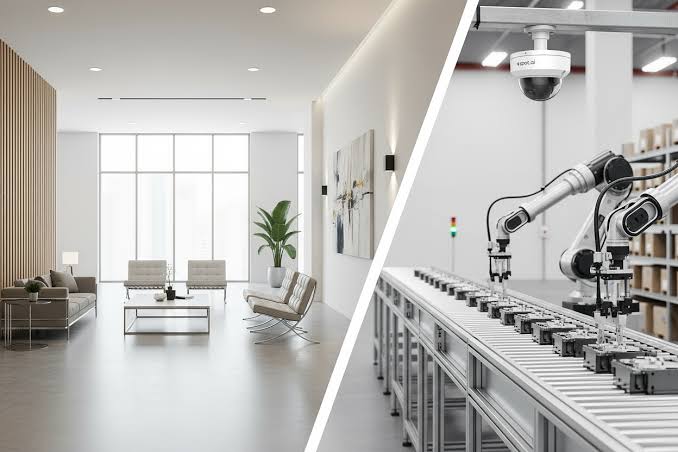
Video Surveillance Supports Continuous Monitoring Across Large Commercial Properties
Large commercial properties need steady oversight across wide spaces throughout operating hours. Video surveillance can help teams observe entrances, storage zones, corridors, loading sections, and restricted areas from a central point. Clear coverage supports faster awareness when unusual movement occurs. Planned camera positions can strengthen security and make routine observation more consistent for staff daily through san antonio business security systems.
What Supports Reliable Monitoring Coverage?
Large properties need careful planning before cameras are positioned across sections. Teams should review building layouts along with entry routes and schedules. Restricted areas may need closer observation during busy periods.
- Mark priority zones before selecting camera positions for coverage.
- Review lighting conditions to maintain clear footage during evening.
- Check viewing angles around doors or corners near storage sections.
- Keep camera locations suitable for routine staff observation needs.
- Record equipment locations for easier future adjustments when required.
Coverage Across Wide Property Areas
Large properties contain sections needing observation. Cameras can cover entry points along with outer boundaries and shared corridors. This arrangement helps staff notice movement across distant areas without frequent checks. Proper placement improves security by reducing hidden spots where activity may go unnoticed during operations.

Clear Views Improve Staff Awareness
Useful footage depends on clear views of important areas. Camera height should limit blocked sightlines while keeping critical zones visible. Lighting should support readable images during different operating periods. Broader coverage can be achieved through san antonio business security systems that pair cameras with access controls.
How Does Recorded Footage Help?
Recorded footage gives staff a reference after unusual activity. Reviewing earlier scenes can help confirm timing or movement within a specific area. This information supports internal checks while reducing reliance on memory. Access should remain limited to authorized personnel. Clear rules keep recordings available when required.
When Can Monitoring Improve Oversight?
Continuous observation can support busy periods when staff attention shifts. Cameras may maintain awareness around entrances or storage sections during active hours. Restricted rooms may need closer viewing when access changes. Visible monitoring can encourage orderly conduct because important areas receive observation.
A clear arrangement can help staff notice unusual movement earlier. It can also support quicker checks when concerns arise within distant sections. Reliable footage gives managers a practical reference for reviewing events. With suitable placement and regular checks, large properties can maintain stronger security oversight without adding unnecessary complexity. Proper planning also supports dependable monitoring when routines change over time.
FAQs
Can cameras monitor large properties during changing work schedules?
Yes, suitable placement supports continuous observation across changing operating periods.
Why is camera placement important for commercial property monitoring?
Correct positioning helps maintain clear views across priority areas consistently.
Can recorded footage assist with reviewing unusual property activity?
Yes, stored footage can help confirm movement timing and events.