Seasonal Roof Inspection Checklist Every West Virginia Homeowner Should Keep Handy
Four distinct seasons put steady pressure on the top of a house in this region. Hot summers bake shingles, while winter freezes test each seam and joint. Spring storms and autumn leaves bring their own set of problems. Homeowners planning roofing repair in charles town learn more about their roof’s health through simple checks done a few times a year. A short routine catches small issues before they turn into leaks. Most of these inspections can be done safely from the ground or inside the attic.
Regular Checks Cost Less Than Emergency Fixes
A roof rarely fails all at once. Damage usually builds slowly through cracked shingles, loose flashing, or clogged gutters. Spotting these problems early often means a repair costs a few hundred dollars instead of several thousand. A regular schedule also helps you notice changes that might otherwise go unseen.
Spring Tasks After Winter Weather Ends
Spring is the best time to look for damage left behind by snow and ice. Use this list once the weather warms up.
- Look for missing or cracked shingles caused by winter winds.
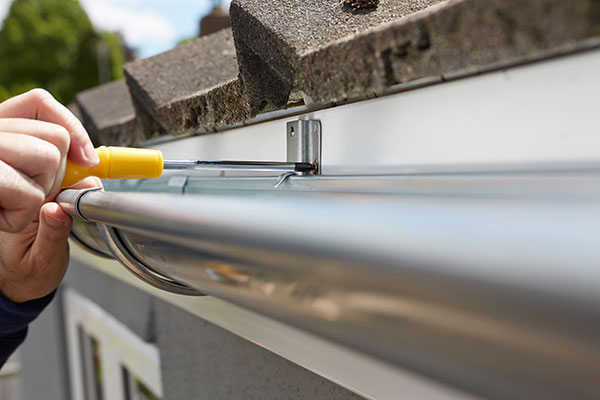
- Check gutters for loose brackets bent by heavy ice buildup.
- Inspect flashing around chimneys for gaps or lifted metal edges.
- Search the attic for water stains on rafters or insulation.
- Clear twigs and debris that collected in roof valleys.
- Watch downspouts during rain to confirm water flows away freely.
- Note any moss or algae growth on shaded roof sections.
- Examine soffits and fascia boards for soft spots or peeling paint.
Summer Heat and Storm Season Checks
Summer brings strong sun and sudden thunderstorms. Heat can cause shingles to curl or crack, especially on slopes that face south. After a hailstorm, look for dents on gutters and vents, since the shingles may be damaged too. Attic temperatures are also worth checking, as poor ventilation shortens shingle life.

What Should You Check Before Autumn Leaves Fall?
Early fall is the right time to prepare the roof for colder months. Clean the gutters once before leaves drop and again after most trees are bare. Trim branches that hang over the roof so they cannot scrape shingles or drop heavy limbs during winter storms.
This is also a good time to look closely at the sealant around vents and pipes. Cracked caulk lets melting snow seep inside. Check that attic insulation covers the floor evenly. Booking any needed repairs now avoids the long waits that often follow the first major snowfall.
Winter Watch Points From Inside the House
Winter inspections should happen mostly from the ground or the attic. Look for large icicles along the eaves, which often signal ice dams forming above. Inside, watch ceilings near outside walls for new stains or bubbling paint.
Knowing When to Call a Professional
Some problems need trained eyes and proper safety equipment. Sagging areas, repeated leaks, or widespread shingle damage are signs to stop handling things alone. Homeowners comparing options for roofing repair in charles town learn more from a written inspection report that includes photos. Most roofers suggest a professional inspection at least once a year and after any major storm.
Quick Reference by Season and Focus
A simple chart makes it easier to remember what matters each season. Keep a copy near your calendar or save it on your phone. The timing below fits a typical year with cold winters and humid summers. Adjust the months slightly if your area sees an early frost.
| Season | Best Months | Main Focus | Common Problems Found | Helpful Tools |
| Spring | March to May | Recovering from winter damage | Lifted shingles, loose gutters | Binoculars, flashlight |
| Summer | June to August | Heat and storm effects | Curling shingles, hail dents | Attic thermometer, ladder |
| Fall | September to November | Preparing for cold weather | Clogged gutters, cracked caulk | Gloves, gutter scoop |
| Winter | December to February | Watching ice and snow | Ice dams, ceiling stains | Roof rake, flashlight |
Seasonal Roof Care FAQ for Homeowners
- How often should a homeowner inspect the roof each year? At least twice a year, ideally in spring and fall, plus after storms.
- Do I need to climb onto the roof to inspect it? No, binoculars from the ground and an attic check catch most problems.
- What is the most common roof problem after winter ends? Lifted or missing shingles and loose gutters are the most frequent issues.
- Does moss growing on shingles cause real damage over time? Yes, moss holds moisture and can lift shingle edges, which leads to leaks.
- How long does a professional roof inspection usually take to finish? Most inspections take about one to two hours for an average home.
- Should homeowners keep written records of each seasonal roof inspection? Yes, dated notes and photos help track changes and support insurance claims.
Consistent Care Outlasts Perfect Plans
A roof gives quiet warnings long before it fails completely. Looking for those signals on a regular schedule turns guesswork into clear decisions. Missing a step now and then is far less harmful than skipping the whole process. What truly protects a home is returning to the same list again and again. Over time, those modest efforts add up to fewer surprises, lower costs, and a sturdier place to live.