
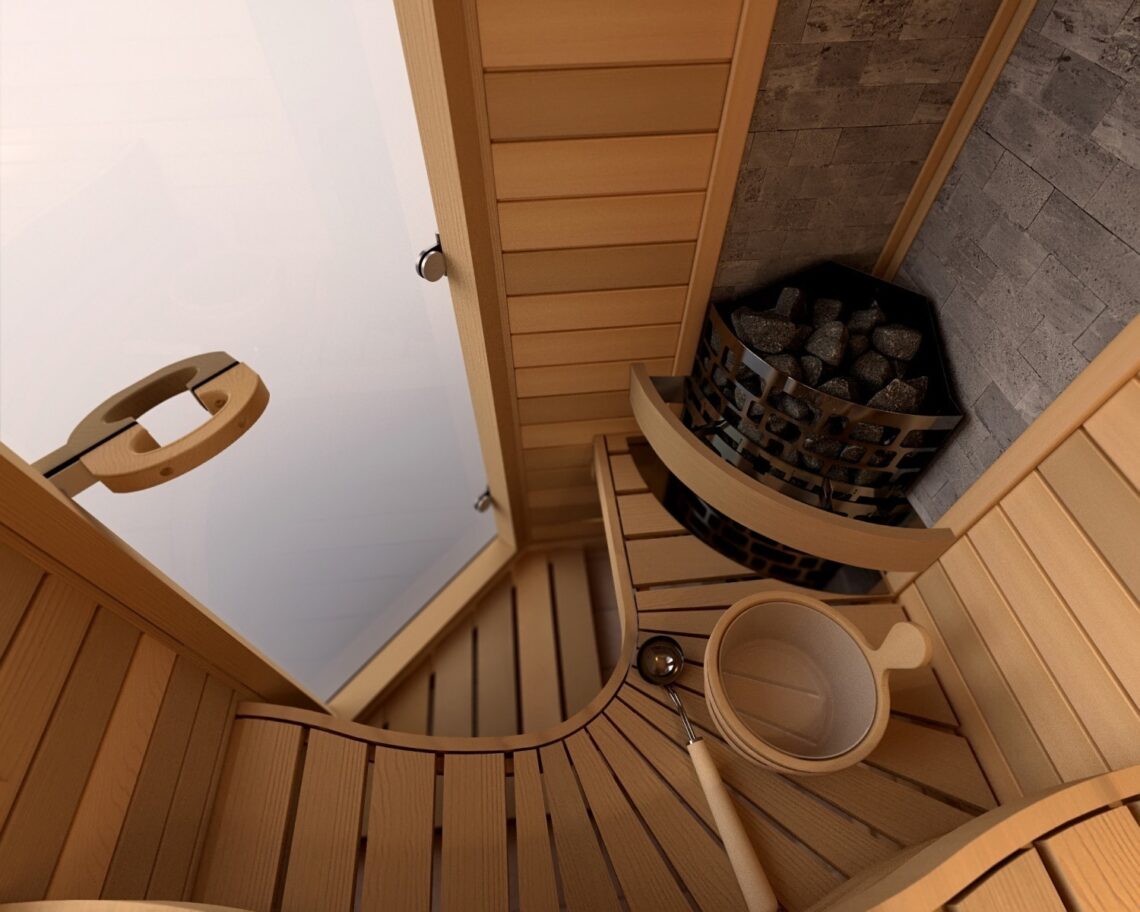
Choosing Sauna Wood for Relaxing and Restorative Sauna Sessions
A well-planned sauna begins with materials that handle heat while creating a pleasant setting. Wood affects surface temperature, durability and the overall appearance of the room. Selecting suitable timber helps maintain a clean space for regular use. To learn more about wood for home saunas, compare different types before making a purchase. Consider how each option responds to warmth and moisture. The right choice supports lasting quality while keeping upkeep simple for everyday enjoyment.
What Makes Wood Suitable for Saunas?
Good timber withstands repeated heating without losing its shape. Low resin content also helps prevent sticky surfaces during regular use.
Which Wood Types Offer Lasting Value?
Cedar, hemlock and aspen are common choices. Each offers different colours, textures and levels of resistance to changing indoor conditions.
How Does Wood Affect Surface Heat?
Timber with low heat transfer feels gentler against skin. This matters for benches and backrests where people sit during warm sessions.
Can Timber Resist Moisture Changes?
Wood naturally responds to humidity shifts. Proper drying and suitable installation reduce warping while helping boards retain their original form.
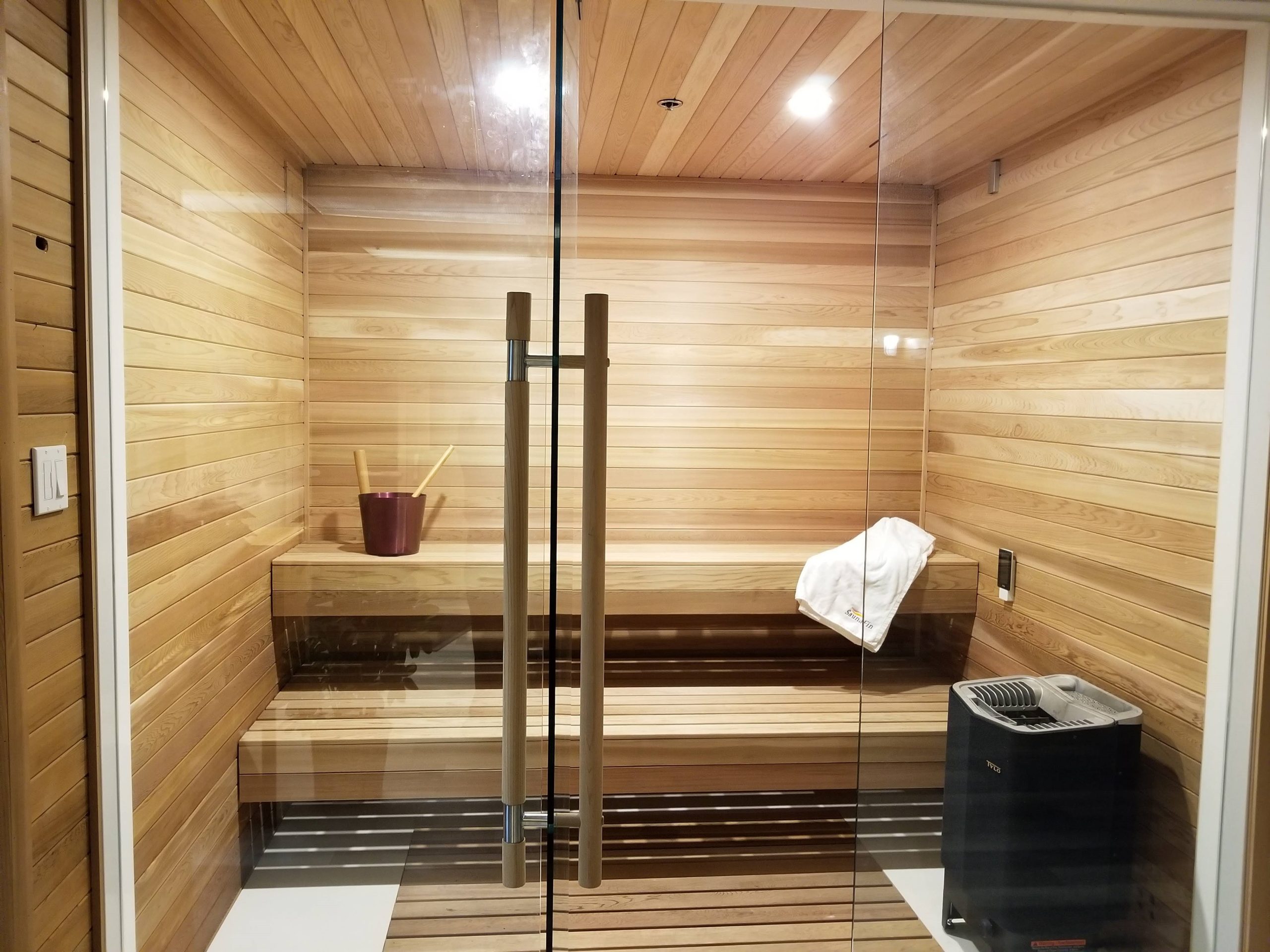
Why Does Wood Texture Matter?
Smooth surfaces improve daily use and reduce the chance of splinters. Even grain also creates a neat and appealing interior.
Where Should Different Woods Be Used?
Choose suitable timber for each area. Bench boards need smooth finishes while wall panels should remain stable through repeated heating cycles.
What Helps Maintain Wood Quality?
Regular cleaning and proper ventilation help timber stay in good condition. Avoid harsh products that may damage natural surfaces.
Which Signs Show Quality Timber?
Check every board carefully before installation. Reliable materials should have consistent structure with minimal defects that could weaken their performance.
– Look for straight boards.
– Check for cracks or splits.
– Choose properly dried timber.
– Avoid excessive resin pockets.
– Inspect edges for rough spots.
Where Can Buyers Find Reliable Guidance?
Ask experienced suppliers about timber grades and intended uses. You can also learn more about wood for home saunas by reviewing product details and care advice before choosing materials.
– Request clear product specifications.
– Compare samples in person.
– Check moisture information.
– Confirm suitability for heated rooms.
– Review maintenance recommendations.
Thoughtful material selection can reduce repairs and help preserve the room for years. Compare durability, surface quality and moisture resistance before purchasing. Choose timber suited to heated indoor spaces and install it correctly. Regular cleaning with good ventilation will protect the structure. A practical decision today helps create a dependable setting for future relaxation.