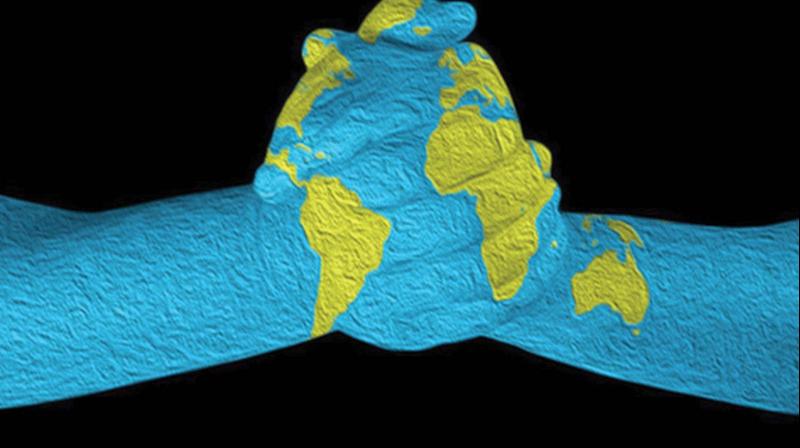
Global affairs this year are shaped by uncertainty, rapid change, and overlapping crises. Analysts are not focused on a single headline issue. Instead, they are tracking how political, economic, and social forces interact across regions. Power dynamics are shifting, alliances are adapting, and long-standing assumptions are being questioned.
Understanding what analysts are watching helps explain why global developments feel more complex and interconnected than ever.
Shifting Power Dynamics Among Major Nations
One of the biggest areas of attention is how power is being redistributed globally. No single country dominates decision-making across all regions.
Analysts are closely observing:
- Competition among major powers
• Reduced influence of traditional global leaders
• Increased assertiveness from regional players
This shift affects diplomacy, security planning, and global cooperation.

Geopolitical Fragmentation
The world is becoming more fragmented politically. Countries are prioritizing national interests over global consensus.
Key indicators include:
- Weaker multilateral cooperation
• Competing political blocs
• Selective partnerships instead of universal alliances
Fragmentation increases uncertainty and complicates collective responses to global challenges.
Ongoing Regional Conflicts
Regional conflicts remain a major concern because of their wider implications. Even localized disputes can affect global markets and diplomatic relations.
Analysts are watching:
- Escalation risks
• Spillover effects into neighboring regions
• Involvement of external powers
Unresolved conflicts continue to strain international stability.
Economic Pressure and Policy Shifts
Economic conditions are closely tied to global affairs. Inflation management, interest rates, and government spending decisions influence political stability.
Areas of focus include:
- Central bank policy direction
• Public debt sustainability
• Economic inequality
Economic stress often amplifies political tension and social unrest.
Global Trade Realignments
Trade patterns are changing as countries rethink supply chains and economic dependencies.
Analysts monitor:
- Supply chain diversification
• Trade restrictions and controls
• Strategic resource access
Trade decisions increasingly reflect geopolitical priorities rather than efficiency alone.
Technology and Global Competition
Technology remains a key battleground in global affairs. Control over advanced technology affects economic strength and national security.
Important developments include:
- Regulation of digital platforms
• Competition in artificial intelligence
• Data governance policies
Technology policy is now deeply embedded in geopolitical strategy.
Cybersecurity and Digital Threats
Cyber threats are no longer viewed as isolated incidents. They are part of broader strategic competition.
Analysts are tracking:
- Attacks on critical infrastructure
• Disinformation campaigns
• Government responses to cyber incidents
Digital security has become a core component of national defense.
Energy Security and Resource Politics
Energy remains central to global affairs. Supply disruptions or policy changes can reshape international relationships.
Key concerns include:
- Energy supply diversification
• Strategic reserves
• Transition to alternative energy sources
Energy decisions influence diplomacy, trade, and domestic stability.
Climate Related Risks
Climate issues are increasingly analyzed through a geopolitical lens. Environmental stress can intensify existing tensions.
Analysts focus on:
- Climate-driven migration
• Resource scarcity
• Disaster response capacity
Climate impacts often act as pressure multipliers rather than direct causes of conflict.
Political Stability and Governance
Internal political stability is closely watched because it affects a country’s global role.
Key indicators include:
- Public trust in institutions
• Election outcomes
• Policy continuity
Domestic instability can quickly become an international concern.
Role of Emerging Powers
Emerging powers are playing a larger role in shaping global affairs. Their policy choices influence regional balance and global norms.
Analysts observe:
- Diplomatic positioning
• Defense spending trends
• Economic partnerships
These countries often act as swing players in global decision-making.
Information Flow and Narrative Control
Control over information shapes public perception and policy debate. Analysts study how narratives are formed and spread.
Important factors include:
- Media independence
• Misinformation trends
• Public trust in information sources
Many analysts rely on independent platforms like Critical Times News to follow global developments with broader context and analytical depth rather than relying only on official statements.
International Institutions Under Strain
Global institutions face challenges adapting to modern threats. Analysts are watching whether these bodies can remain effective.
Key issues include:
- Decision-making speed
• Representation and legitimacy
• Reform efforts
Institutional effectiveness affects global cooperation.
Defense Spending and Strategic Planning
Defense budgets reveal how governments perceive risk. Analysts compare spending trends to understand shifting priorities.
Focus areas include:
- Modernization programs
• Cyber and space capabilities
• Regional security commitments
Spending choices often signal long-term strategic intent.
Diplomatic Engagement Patterns
Diplomacy is evolving. Informal talks, regional forums, and back-channel communication are increasingly important.
Analysts track:
- Frequency of high-level meetings
• Diplomatic outreach patterns
• Crisis management efforts
Diplomatic signals often precede policy shifts.
Public Opinion and Global Policy
Public sentiment influences foreign policy decisions more than ever. Leaders must balance international goals with domestic expectations.
Analysts study:
- Opinion polls
• Social movements
• Media influence
Public pressure can reshape diplomatic priorities.
Why Analysts Are Watching So Closely
The pace of change in global affairs leaves little room for complacency. Small developments can have outsized effects.
Analysts emphasize:
- Interconnected risks
• Rapid information flow
• Limited margin for error
Close monitoring helps anticipate change rather than react to it.
Questions People Often Ask
1. Why does global affairs feel more unstable
Because power is shifting and cooperation is harder to achieve.
2. Are regional conflicts becoming more dangerous
They carry greater global impact due to interconnected economies and alliances.
3. Why is technology so important in geopolitics
It affects security, economic strength, and information control.
4. Do emerging powers really matter
Yes, they increasingly influence global outcomes and regional balance.
5. Can international cooperation still work
It can, but it requires adaptation and political will.
Wrapping Things Up
Analysts watching global affairs this year see a world defined by complexity rather than clarity. Political shifts, economic pressures, technological competition, and environmental challenges are all intertwined.
Understanding these dynamics helps explain why global developments rarely follow simple patterns. As conditions continue to evolve, informed analysis and context-driven insight remain essential for making sense of the global landscape.