
Temperature Influence Analysis Using Impact Test Of Steel In Harsh Environments, Material Behaviour Insights
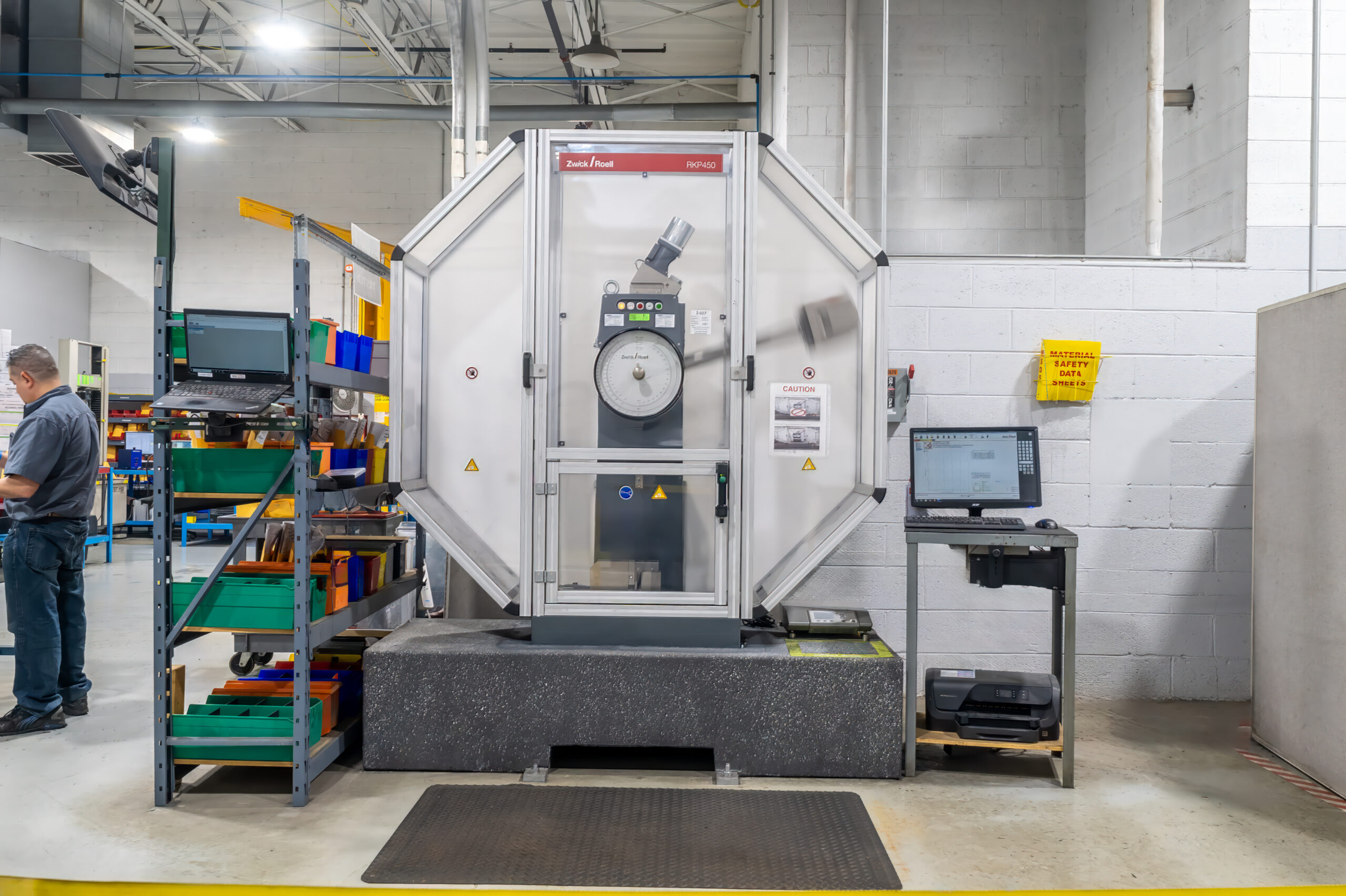
Subtle changes in surrounding conditions often alter how materials react under pressure. Engineers observe performance shifts through impact test of steel during controlled experiments. Sudden force reveals how structures respond under varied temperature exposure. Lower temperatures increase brittleness, while higher levels improve ductility behaviors. Careful observation supports better design choices across demanding operational conditions.
Thermal variation affecting material strength behaviors
Temperature shifts influence strength characteristics during sudden loading conditions.Cold conditions reduce flexibility, while higher temperatures allow greater deformation capacity.
Energy absorption patterns under extreme temperature conditions
Energy absorption varies based on environmental exposure and internal structure.Higher resistance appears when the temperature allows controlled plastic deformation response.
Fracture response under varying temperature exposure conditions
Understanding fracture behaviors helps reduce failure risks across structures exposed externally.
- Sudden cooling reduces toughness and increases brittle fracture probability significantly
- Elevated heat levels support ductile behaviors, allowing gradual energy absorption
- Material grain structure changes influence crack propagation speed during testing
- Internal stress distribution shifts under varied temperature exposure conditions
- Controlled testing ensures accurate measurement of fracture resistance properties
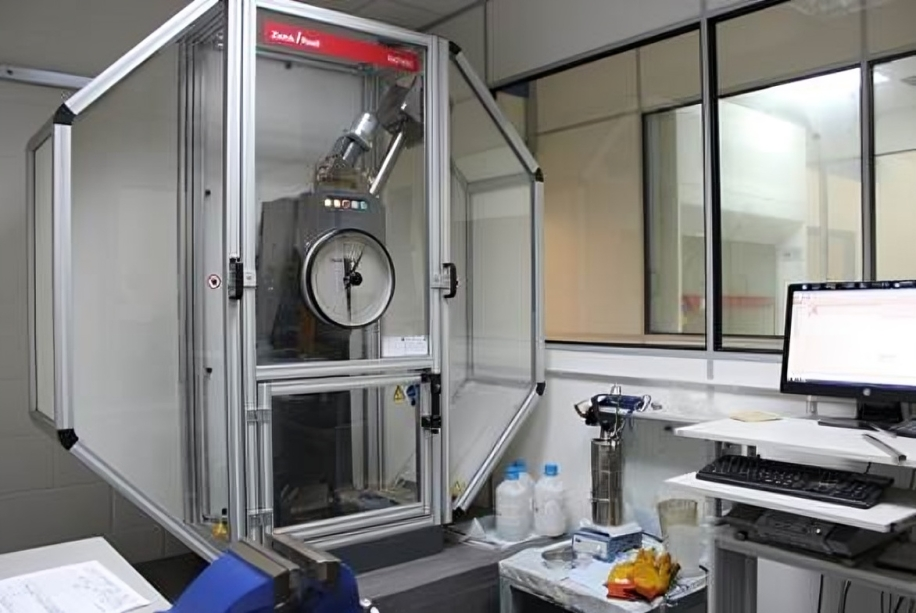
Ductility changes across different temperature environments are observed.
Material ductility changes with temperature, affecting deformation before failure occurrence.
- Lower temperature reduces elongation capacity, leading to sudden fracture occurrence
- Increased heat improves flexibility, supporting gradual deformation under applied stress
- Temperature impact alters atomic movement, influencing overall structural behavior
- Balanced conditions help maintain stable performance across varying stress situations
- Controlled heating ensures a predictable response during mechanical evaluation procedures
Structural resilience comparison across temperature-influenced scenarios
Resilience defines ability to absorb energy without permanent structural damage.
- Cold environments reduce resilience, causing sudden breakage during stress application
- Warm conditions increase resilience, allowing energy distribution across the structure
- Testing helps compare performance across multiple environmental exposure conditions
- Internal defects influence resilience under varying thermal conditions significantly
- Data driven insights support better material selection for harsh environments
Microstructure influence during temperature-driven impact evaluation
Internal grain structure shifts under temperature changes, affecting overall performance.
- Fine-grain structure improves resistance under low-temperature stress conditions
- Coarse-grain formation reduces strength, causing faster crack propagation
- Controlled processing helps maintain stable internal structure across temperature shifts
- Heat treatment improves microstructure uniformity, enhancing performance reliability
- Structural stability improves with balanced internal grain distribution patterns.
Can controlled testing improve long term reliability?
Controlled testing provides consistent results supporting long term structural planning.It ensures materials meet expected performance standards under real conditions.Reliable data reduces uncertainty during design and application processes.
Stable insights guide material decisions
Careful observation reveals how materials behave under varying environmental stress conditions.Consistent testing supports better selection for demanding structural applications.Reliable data ensures improved safety and long-term performance stability.Understanding behaviors through impact test of steel strengthens engineering planning decisions.