
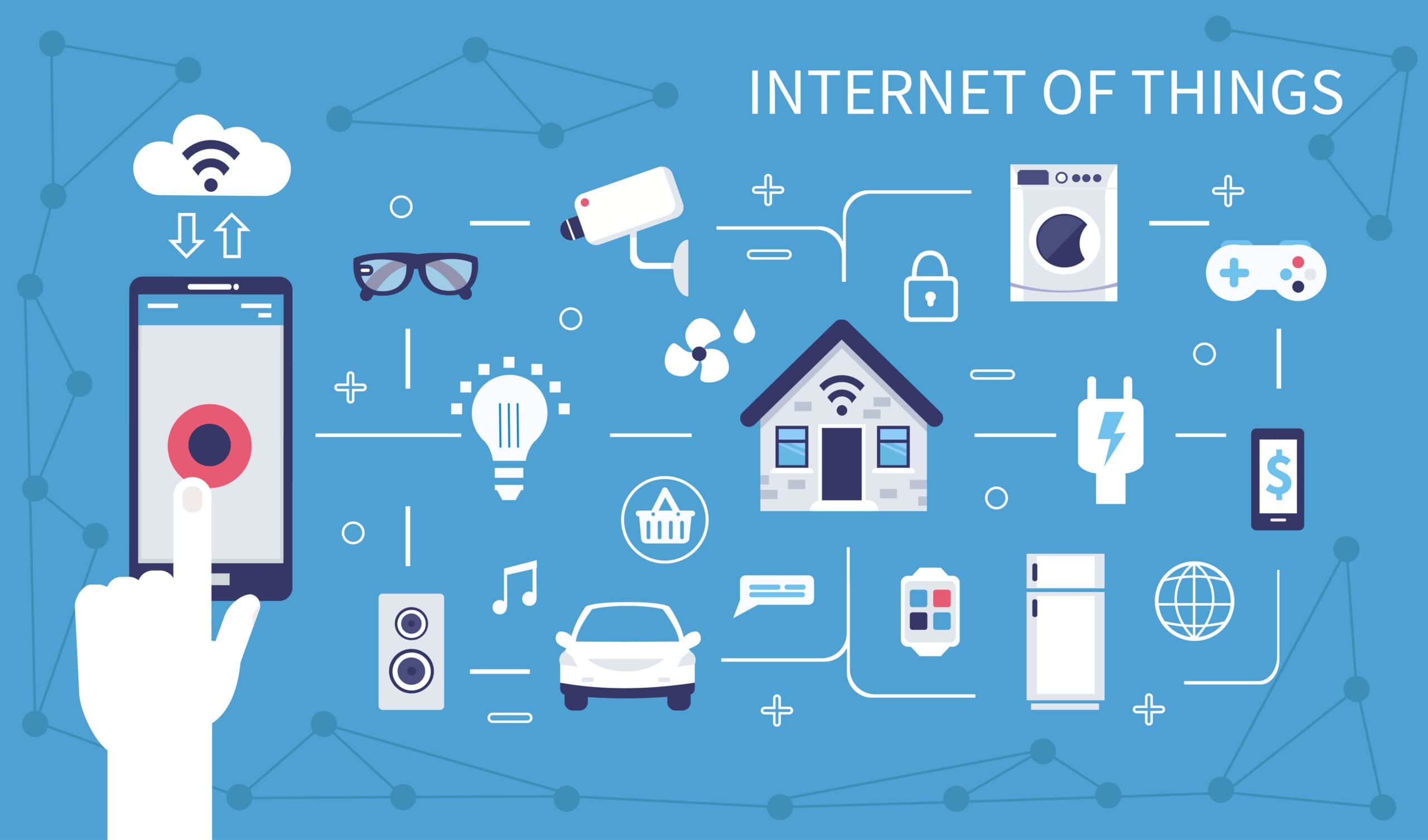
The Internet of Things (IoT) has transformed how devices interact with the physical world. By connecting sensors, machines, and everyday objects to the internet, IoT enables real-time data collection, automation, and intelligent decision-making. From smart homes to industrial systems, IoT plays a central role in building responsive, data-driven environments.
Understanding the Internet of Things
IoT refers to a network of connected devices equipped with sensors, software, and connectivity. These devices collect and exchange data without direct human intervention. Communication occurs through wired or wireless networks, enabling seamless interaction between systems.
IoT systems rely on data flow, analytics, and automation to create value.
Smart Homes and Consumer Applications
Smart home devices enhance comfort, efficiency, and security. Connected thermostats adjust temperature automatically, lighting systems respond to occupancy, and security cameras provide real-time monitoring.
These applications improve convenience while reducing energy consumption.
IoT in Industrial Environments
Industrial IoT (IIoT) optimizes manufacturing, logistics, and infrastructure management. Sensors monitor equipment performance, detect anomalies, and predict maintenance needs.
Predictive maintenance reduces downtime and operational costs.
Data Collection and Analytics

IoT generates massive volumes of data. Analytics platforms process this information to uncover insights, identify trends, and trigger automated actions.
Real-time analytics enable rapid responses to changing conditions.
Connectivity and Network Infrastructure
Reliable connectivity is essential for IoT systems. Technologies such as Wi-Fi, cellular networks, and low-power wide-area networks support diverse use cases.
Network reliability and latency directly impact system performance.
Security and Privacy Challenges
IoT devices introduce security risks due to limited processing power and widespread deployment. Protecting devices and data requires encryption, authentication, and regular updates.
Privacy considerations are critical, especially in consumer and healthcare applications.
IoT and Automation
Automation transforms IoT data into action. Smart systems adjust operations automatically based on sensor input, reducing manual intervention.
This automation improves efficiency and consistency.
Integration With Digital Platforms
IoT solutions depend on scalable digital platforms for data processing and management. Platforms like PaskWeb support IoT ecosystems by aligning performance, integration, and modern web infrastructure.
Challenges in IoT Adoption
Challenges include interoperability, standardization, and data management. Organizations must address these issues to realize IoT’s full potential.
The Future of Smart Systems
IoT will continue expanding with advancements in edge computing, AI, and connectivity. Smart systems will become more autonomous, adaptive, and intelligent.